BOOK AN APPOINTMENT

BOOK AN APPOINTMENT

BOOK ONLINE

Dental Implants

SPECIAL TREATMENTS

Restore missing teeth with strong, natural-looking and long-lasting implants.

About the treatment

Dental implants are a long-lasting solution for replacing missing teeth, offering a strong and natural-looking alternative to dentures and bridges. They help restore chewing ability, preserve jawbone structure, and improve overall oral health.

What is a Dental Implant?

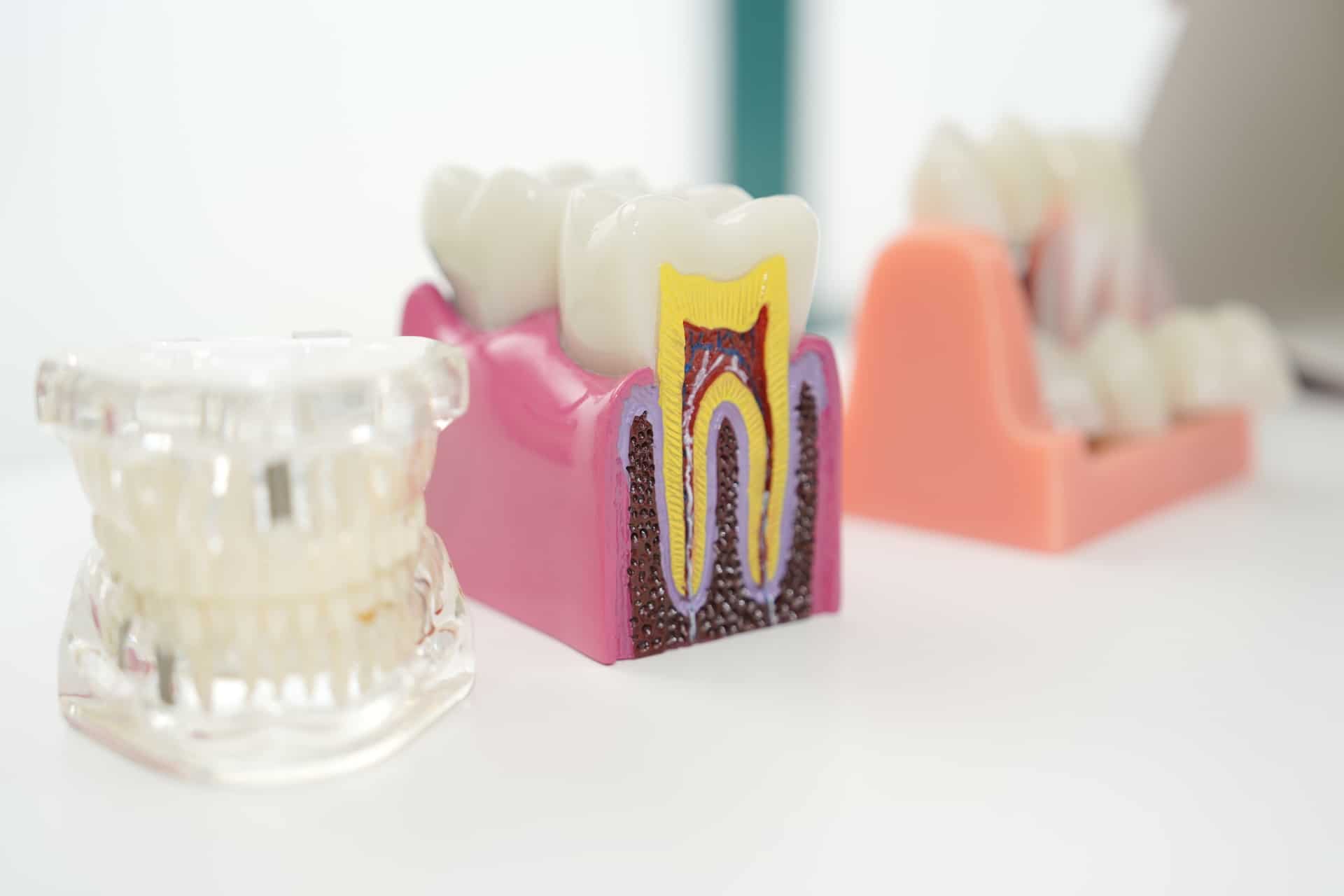
A dental implant is a titanium post surgically inserted into the jawbone, acting as an artificial tooth root. It provides a stable foundation for a crown, bridge, or denture, closely mimicking the function and feel of natural teeth.

Implants help:

  • Prevent bone loss caused by missing teeth.
  • Restore full chewing function and speech clarity.
  • Provide a secure and permanent tooth replacement.

Types of Dental Implants

  • Composition: Titanium screw supporting a custom-made crown.
  • Pros: Long-lasting and looks completely natural.
  • Cons: Requires sufficient bone for stability.
  • Composition: Multiple implants supporting a fixed bridge.
  • Pros: Ideal for multiple missing teeth, no need for adjacent tooth support.
  • Cons: Longer healing time than traditional bridges.
  • Composition: Four strategically placed implants supporting a full denture.
  • Pros: Restores an entire arch with minimal implants.
  • Cons: Expensive, more invasive and requires long healing time.

The Implant Procedure

  • Detailed imaging and scans assess bone density and plan implant placement.
  • We discuss treatment options tailored to your needs.
  • The titanium post is surgically inserted into the jawbone.
  • A healing period of 3-6 months allows the implant to integrate.
  • An abutment is attached to support the prosthetic tooth.
  • The final custom crown, bridge, or denture is secured in place.

Aftercare for Dental Implants

  • Maintain excellent oral hygiene to prevent infections.
  • Avoid chewing hard foods while healing.
  • Attend regular check-ups for monitoring.
  • If you experience pain, swelling, or unusual movement in the implant.
  • If the crown or prosthetic feels loose.

Your Implant Options Explained

Whether you are missing a single tooth or an entire arch, there is a dental implant solution designed for your needs. Modern implant systems readily adapt to offer multiple treatment options, suitable for most patients.

Options for Missing Teeth

There are multiple ways to replace missing teeth depending on your dental health and personal circumstances. Your dentist will recommend the most suitable option at your consultation.
A single dental implant replaces a whole tooth following trauma, decay, or fracture. It consists of a titanium fixture, an abutment connector, and a visible porcelain crown — no healthy neighbouring teeth are affected.
Dental implant bridges span the gap where multiple teeth are missing. Unlike a standard bridge, no healthy adjacent teeth are cut down to anchor the prosthesis — implants go directly into the jaw.
A full fixed restoration (typically All-on-4 or All-on-6) replaces an entire arch with as few as four implants. Losing all your teeth affects appearance and chewing — a fixed restoration recovers both permanently.
An implant-retained overdenture is anchored onto 2–4 implants. Unlike conventional dentures, it won’t shift while eating or laughing — yet can still be removed by you for cleaning.

Why Choose Dental Implants?

Compared to conventional bridges and removable dentures, implants deliver superior long-term outcomes across function, aesthetics, and oral health.
Implants are engineered to restore your natural smile. They are exceptionally strong and stable, and the difference between an implant and a natural tooth is virtually undetectable. Eat whatever you like again.
When a tooth is missing, the jawbone in that area may regress, eventually altering the contours of your face. An implant replaces both the root and crown, maintaining the integrity and shape of the jawbone.
The initial cost of an implant restoration may seem higher than alternatives, but with proper care and a good oral hygiene routine, your investment can last a lifetime — far more cost-effective long term.

Frequently Asked Questions (FAQs)

How long do dental implants last?
With proper care, implants can last 20+ years.

No, local anaesthesia ensures a comfortable experience.

Yes, a root canal can save your natural tooth and prevent the need for extraction.

Yes, implants restore full chewing ability.

Brush, floss, and attend regular dental visits.

It takes 3-6 months, depending on healing time.

Get in Touch

Interested in a whiter smile? Contact us to discuss your options.

You are in good hands

Gallery

Treatments

Book Online

Regain your smile with a permanent tooth replacement! Schedule a consultation today.